3D Scanning for Marketing and Virtual Catalogues
When a product only exists in front of a camera, every new image means preparing it, lighting it and photographing it again. And when you need to show it from another angle, in a different environment or with a different composition, the process starts again.
With a 3D model, the way you work can be different.
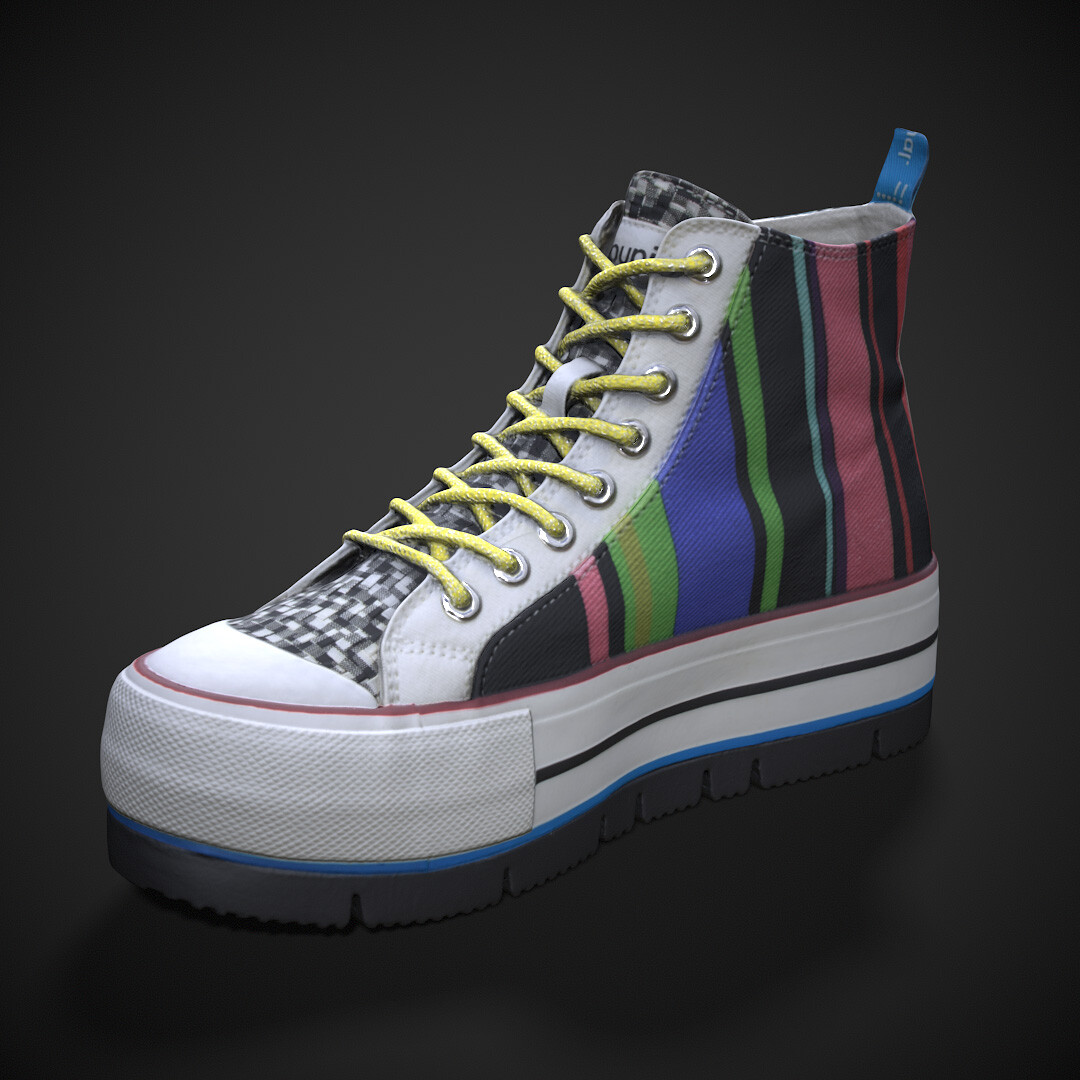
Starting from the physical product, at Scan3D we create a digital representation that preserves its shape, materials and finishes with a high level of fidelity. The result can be used as a digital asset to create different types of visual content depending on the needs of each project.
One product, different ways of presenting it
A digitised product can become part of a virtual catalogue, be shown from different angles, integrated into different environments or used to create new images without having to prepare and photograph the physical product again every time.
This makes it possible to use the same model across different communication pieces and adapt the way the product is presented to each project: a product image, an advertising composition, a contextualised scene or an interactive viewing experience.
The value is not simply in having a 3D model. It is in having a digital asset that can be reused whenever the project requires it.
When shape, materials and finishes matter
For some products, appearance is an important part of what needs to be communicated. Shape, proportions, material texture or small details in the finish can all influence how a product is perceived.
In these cases, a realistic 3D representation provides greater control over these aspects and makes it possible to create images or presentations without always relying on another photography session.
The aim is for the digital product to retain its identity and for the final result to remain recognisable as the real object.
Marketing, e-commerce and virtual catalogues
The same digital asset can be used across different communication and product presentation applications.
In marketing and advertising, it can be used to create visual content and present the product in different contexts. In e-commerce, it can help show the product in greater detail or from different viewpoints. And in a virtual catalogue, it provides a digital representation of the product that can be reused over time.
This is particularly useful when there are different products or variants, or when new content needs to be produced over a longer period.
You can see some examples of how we use these digital assets in our contextualised image gallery.
Visual fidelity and performance
Creating a 3D model for the web has its own particular challenge. It is not enough for the product to look good.
The model also needs to have technical characteristics that are appropriate for its intended use. Excessive geometry or textures that are too heavy can affect loading times and the user experience, especially on devices with less processing capacity.
That is why, when we prepare a model for a digital project, we look for a balance between visual fidelity, quality and performance.
A model designed for its final use
At Scan3D, we do not only think about how the product looks. We also think about how it will be used afterwards.
Preparing a model to generate marketing images is not the same as preparing one that will become part of an interactive experience or a web environment. The final use influences how the model and its resources need to be prepared.
This approach means that 3D scanning is not simply about reproducing the physical product, but about creating a digital asset that is useful for the project.
From physical product to digital asset
3D product digitisation makes it possible to work with a product once and make use of that work across different applications.
Instead of starting from scratch every time a new image or presentation is needed, the 3D model becomes a foundation from which new content can be created.
The model should serve the project, not the other way around.
If you want to learn more about what product digitisation involves and what this process can bring to a project, we explain it here.